Climate Shift Reshapes Western Australia's Farming Season
Western Australia's farmers are adapting to changing rainfall patterns by shifting their planting schedules.
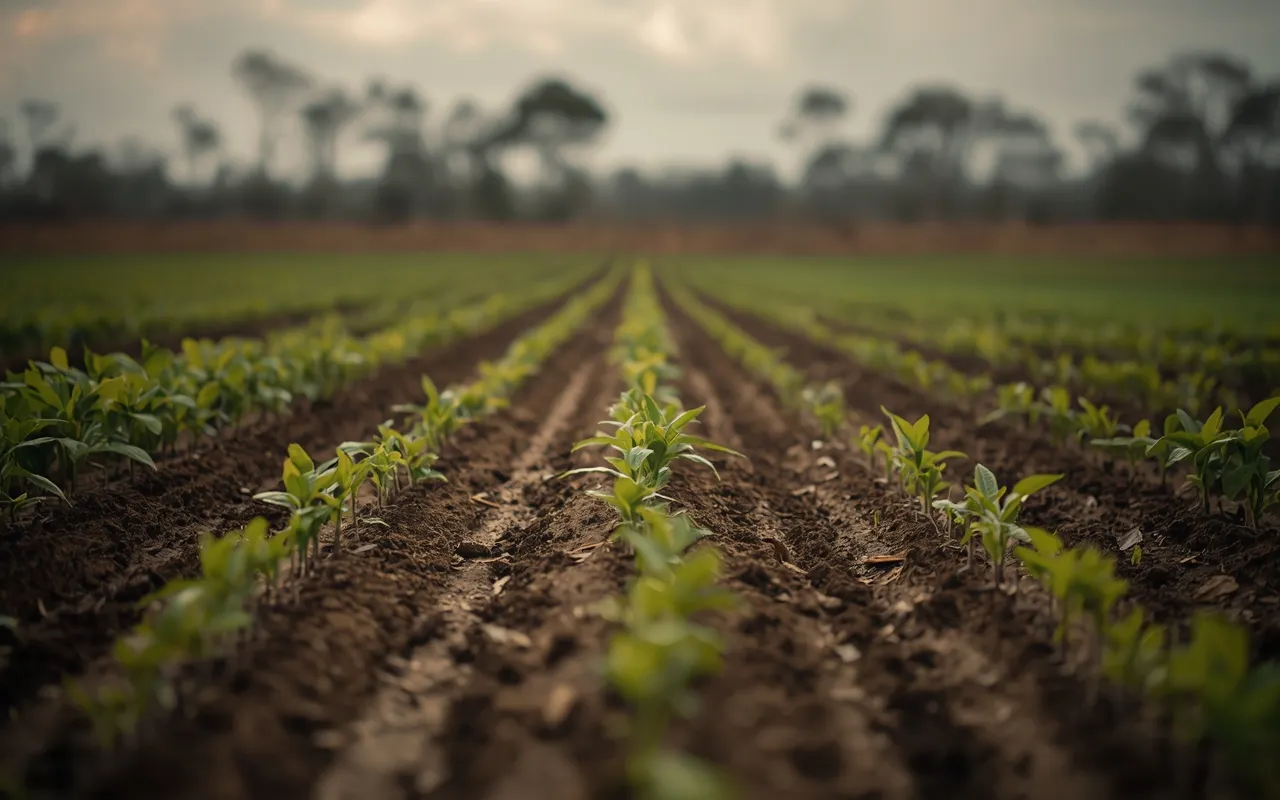
A significant climate shift is underway in Western Australia, prompting farmers to reassess their traditional planting schedules. As a result, many growers are now planting their crops two weeks earlier than they have in the past, in response to altered rainfall patterns. This change reflects the evolving nature of the region's climate and the need for the agricultural sector to adapt in order to remain viable.
The impact of these changes can be seen in the forecast for the upcoming grain harvest, which is expected to yield 18 million tonnes. This prediction suggests that, despite the challenges posed by a shifting climate, the agricultural sector in Western Australia remains robust. The ability of farmers to adjust their planting windows and other practices in response to changing conditions has been crucial in maintaining productivity. With the support of research and development, the industry is finding ways to not only withstand but also thrive in the face of climate uncertainty.
For Western Australia, the successful adaptation of the agricultural sector to climate change has important implications. The state's economy is heavily reliant on agriculture, and the ability of farmers to respond effectively to changing conditions will be critical in maintaining the industry's contribution to the regional economy. As the climate continues to evolve, the capacity for innovation and flexibility within the agricultural sector will be essential in ensuring the long-term sustainability of farming in Western Australia.
According to a grains researcher, the key to success in this new climate reality lies in the ability to adapt, stating, "Adaptation, not just resilience, is now the defining skill for WA farmers." This emphasis on proactive adaptation rather than simply enduring challenging conditions highlights the need for a forward-thinking approach within the agricultural sector. By embracing new practices and technologies, Western Australian farmers can position themselves for continued success, even as the climate continues to shift and present new challenges.
Sources
Every story carries the public record it was written from.