Heat records tumble across the WA Wheatbelt
Western Australia's Wheatbelt has experienced a record-breaking heatwave, with temperatures soaring above 44C for three consecutive days.
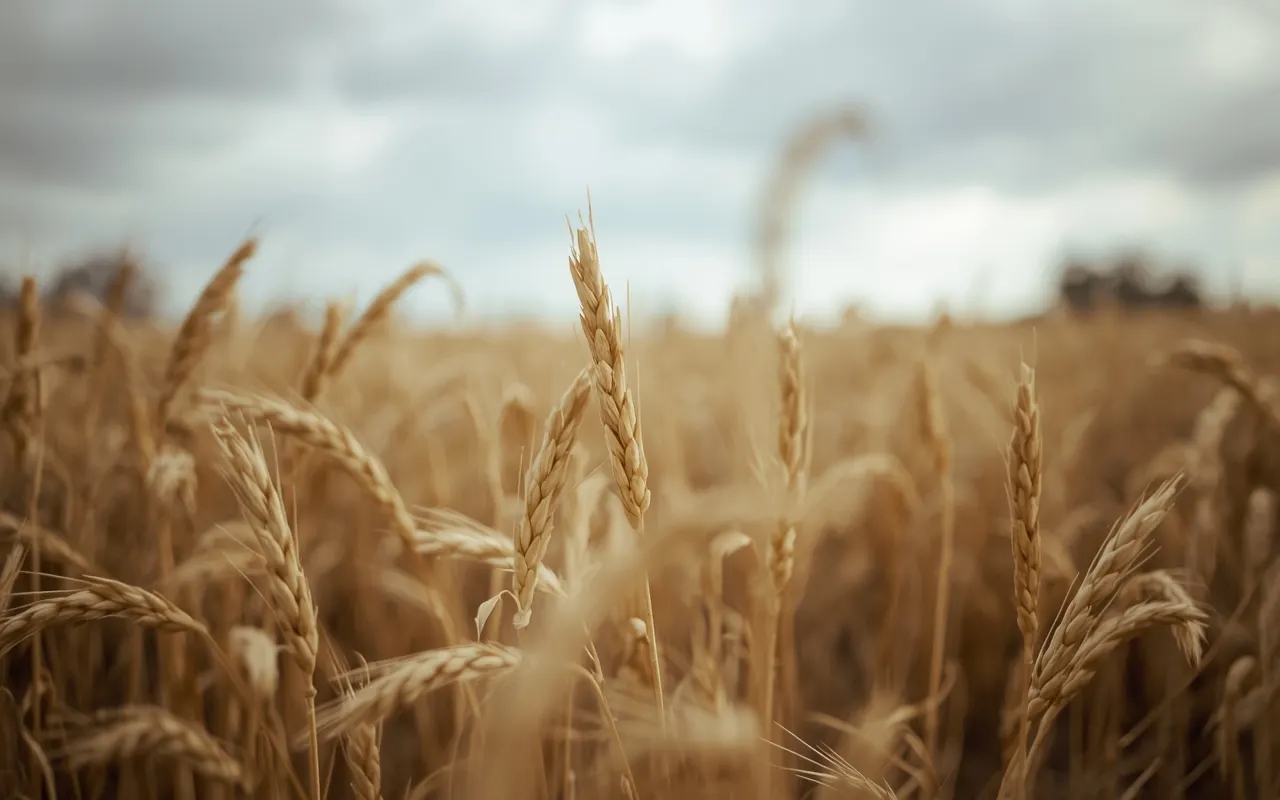
A severe heatwave has gripped Western Australia's Wheatbelt region, shattering a long-standing record in the process. The Bureau of Meteorology confirmed that the area experienced three consecutive days of temperatures above 44C, surpassing a record that had stood since 1998. This extreme weather event is a stark reminder of the impact of climate change on the region, which is known for its grain production.
The Wheatbelt's economy is heavily reliant on agriculture, and prolonged periods of high temperatures can have devastating effects on crops and livestock. The record-breaking heatwave is a concern for farmers, who are already dealing with the challenges of a changing climate. According to corroborating sources, the heatwave is part of a larger trend of increasing temperatures in the region, which is consistent with global warming patterns.
The implications of this heatwave are far-reaching, and experts warn that such events are becoming more frequent. A climatologist noted that "What used to be a once-a-decade event is becoming almost annual," highlighting the rapid shift in the region's climate. This change has significant consequences for the Wheatbelt's agricultural industry, as well as the local community, which must adapt to the new reality of more frequent and severe heatwaves.
As the region struggles to come to terms with the new climate norm, the Western Australian government and farmers are being forced to rethink their strategies for managing the impacts of heatwaves. The record-breaking temperatures serve as a wake-up call for the need to develop more resilient and sustainable agricultural practices, as well as to invest in climate change mitigation and adaptation measures. As the climate continues to evolve, it is essential for the community to work together to address the challenges posed by rising temperatures and to ensure the long-term viability of the Wheatbelt's agricultural industry.
Sources
Every story carries the public record it was written from.