Melon Diplomacy: The Strange Gift That Stirred Debate
Prime Minister Anthony Albanese's acceptance of Japanese Crown Melons as a diplomatic gift has sparked debate over the appropriateness of such tokens.
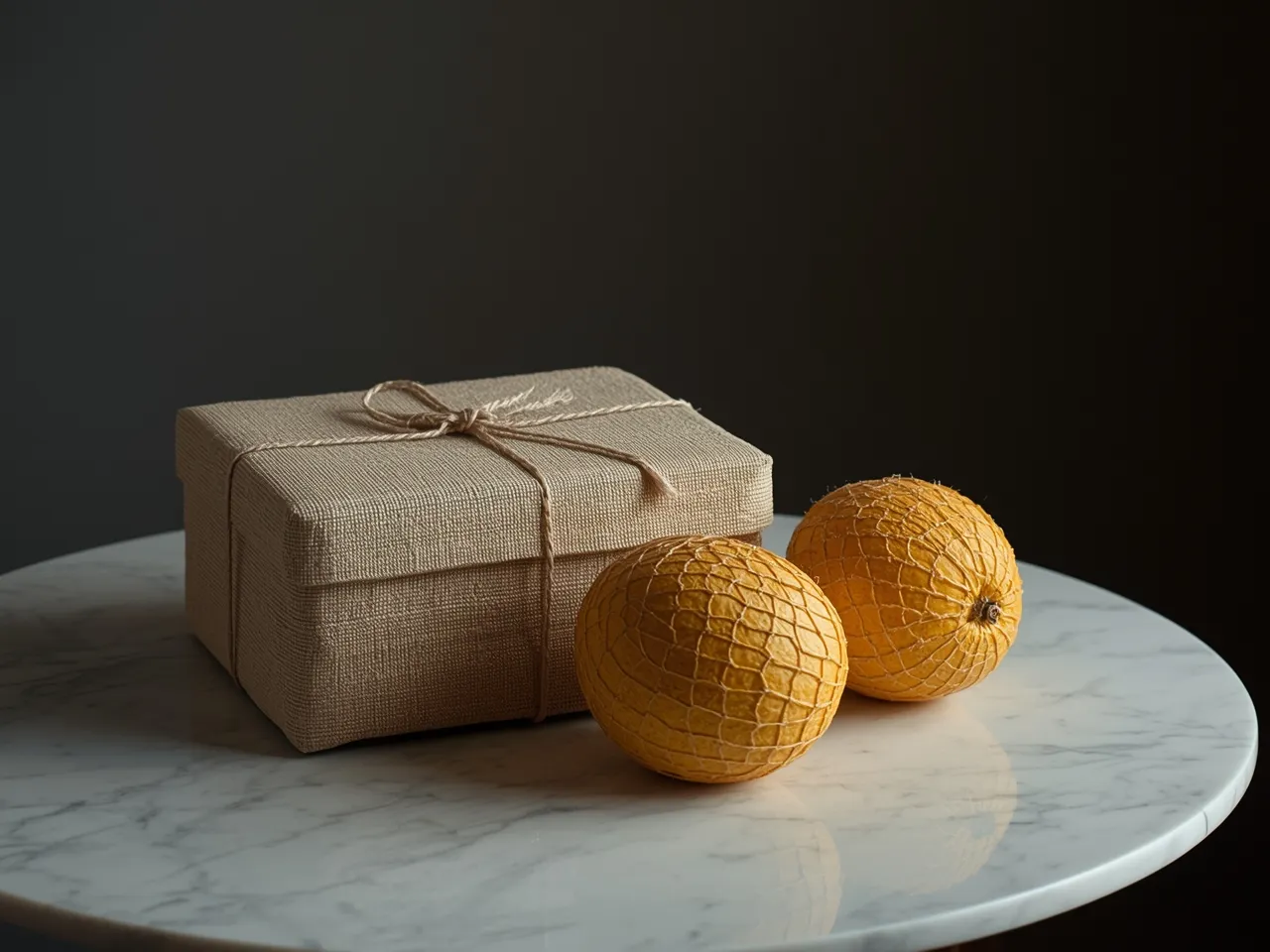
The author dined at the upscale Japanese restaurant Omakase by Prefecture 48 on Sydney’s Sussex Street, where the chef claimed to have spare melons that could be sold for $220 each, and the penultimate course served was a Japanese Crown Melon presented in a box resembling a high‑end Rolex. Albanese received a pair of these melons from Japanese counterpart Sanae Takaichi, which the author described as a "pretty strange" gift, contrasting with other diplomatic gifts such as a pig’s tusk from the Prime Minister of Vanuatu and a model house from East Timor’s Xanana Gusmão.
The restaurant’s menu focuses on seasonal ingredients and meticulous plating, and the melon’s box mimics the sleek lines of a high‑end Rolex, with the chef’s $220 claim underscoring the melon’s premium status and sparking debate over diplomatic gift norms. Diplomatic gifts often carry symbolic value, and the pig’s tusk and the model house illustrate the diversity of tokens exchanged, highlighting differing cultural approaches to diplomacy while the melons’ presentation raises questions about appropriateness and reflects a broader scrutiny of ceremonial exchanges.
The exchange occurred during a formal visit between the leaders, and the author notes the gesture’s uniqueness, with the gift’s reception varying across media outlets, and the debate centering on the line between tradition and modernity, touching on the role of symbolism in statecraft. The event has prompted analysts to review past exchanges, while the author reports that the melons were chosen for their rarity, and the conversation continues in diplomatic circles, with the image of the melon box evoking luxury.
The diplomatic context frames the gift’s significance, and the analysis remains grounded in the facts presented, while the piece refrains from speculation, and the author maintains a neutral tone. The final assessment acknowledges the complexity of diplomatic gestures, the narrative concludes without drawing definitive judgments, and the discussion invites further examination of diplomatic customs, while the story remains focused on the facts supplied.