NEXTDC CEO’s Black‑Clothes Routine Mirrors Elite Personal Branding
Scroggie's black‑clothes routine and diet posts echo elite self‑branding, raising questions about self‑care versus self‑obsession.

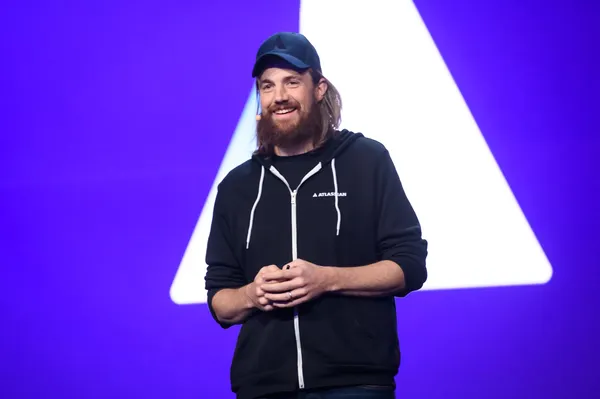
CEO Craig Scroggie of NEXTDC has adopted an extreme personal optimisation routine, now wearing only black clothing to eliminate decision fatigue, citing Barack Obama’s decision‑simplifying wardrobe as inspiration.
The profile compares his lifestyle to Melbourne spa owner Tim Gurner and describes a transformation from a “shiny‑suited antivirus salesman” to a “biohacked tech bro” that he overshares about diet and gym regimen.
Amelia McGuire of The Australian Financial Review reports that Scroggie frequently overshares about his diet and gym regimen, and the article is available online at https://www.afr.com/technology/this-ceo-has-built-40-ai-clones-and-eats-seven-meals-every-day-20260527-p6011a?ref=rampart.news.
The profile of Barack Obama’s wardrobe appears in Vanity Fair at https://www.vanityfair.com/news/2012/10/michael-lewis-profile-barack-obama?ref=rampart.news, framing personal habits as a window into professional identity.
The narrative juxtaposes Scroggie's routine with broader trends in executive lifestyle, uses concise, declarative sentences, and highlights parallels between his choices and those of other high‑profile figures.
Discusses influence of public personas on corporate culture, suggests that extreme optimisation can blur lines between self‑care and self‑obsession, and draws on examples from the tech industry to illustrate points.
It is part of a series on leadership and personal branding, providing insight into how CEOs manage personal and professional demands while grounded in direct quotations from Scroggie.
The article examines how Scroggie's dietary choices are part of a wellness strategy, noting that his gym regimen is shared on social media and that wardrobe choice simplifies his daily routine.
The article references Barack Obama’s public persona as a benchmark, compares Scroggie's approach to Tim Gurner's spa philosophy, and discusses the role of visual identity in corporate leadership.
The article points out that Scroggie's transformation aligns with trends in tech culture, emphasizes that personal branding can influence stakeholder perceptions, and suggests that extreme optimisation may affect work‑life balance.
It concludes by questioning the sustainability of routines, discusses impacts on team dynamics, raises concerns about pressure to maintain them, and highlights the role of media coverage in shaping perceptions.
The writer highlights the contrast between Scroggie's past and present, underscores the importance of consistent messaging, and frames the debate around wellness and performance.